2026. 3. 23. 17:55ㆍ여행
📌 This post includes a full English version below.
You can use the Table of Contents to jump directly to the English section,
or simply scroll down to read the complete English version.
목차 | Table of Contents
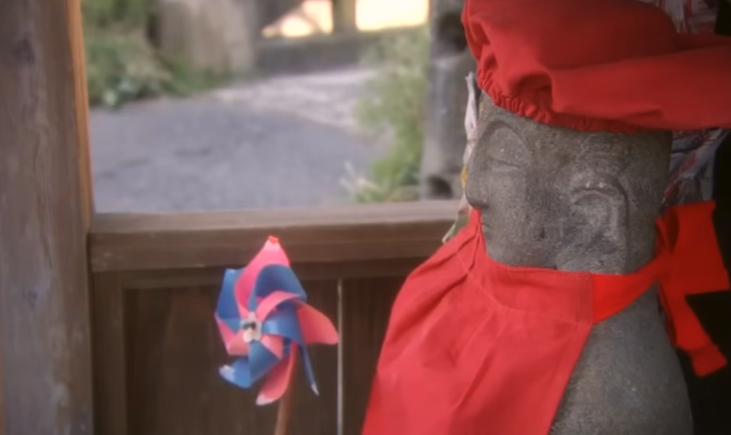
교토를 걷다 보면 빨간 턱받이나 모자를 한 작은 돌상이 자주 눈에 들어옵니다. 이 돌상은 지장보살로, 단순한 장식이 아니라 아이를 보호하고 마을을 지켜준다는 믿음과 일본의 생활 신앙이 결합된 상징입니다.
일본 거리에서 만나는 지장보살의 의미
교토의 골목이나 길가에서 쉽게 볼 수 있는 이 돌상은 ‘지장보살’, 일본에서는 ‘오지조사마’라고 불립니다. 흥미로운 점은 이 존재가 사찰 내부보다 오히려 마을 어귀, 골목, 교차로 같은 생활 공간에서 더 자주 보인다는 것입니다. 이는 지장보살이 멀리 있는 신이 아니라, 사람들의 일상 가까이에서 보호 역할을 한다고 믿기 때문입니다. 주민들은 자연스럽게 꽃이나 공양을 올리며 돌보기도 합니다. 특히 교토에서 더 자주 보이는 이유는 도시 구조와 역사와도 관련이 있습니다. 교토는 격자형 골목이 발달한 도시로, 동네 단위 공동체가 뚜렷하게 형성되어 왔고 그 경계마다 지장보살이 놓이는 경우가 많았습니다. 또한 천년 수도였던 교토는 전쟁과 전염병을 자주 겪었던 도시이기도 합니다. 이런 배경 속에서 아이들의 안전과 평화를 바라는 마음이 더욱 강하게 남았고, 지금까지도 그 흔적이 거리 곳곳에 이어지고 있습니다. 여름에 열리는 ‘지조본’ 같은 지역 축제 역시 이러한 신앙이 생활 속에 깊이 자리 잡았음을 보여줍니다.
빨간 턱받이를 하는 이유와 사이노카와라 이야기
지장보살이 빨간 턱받이를 하고 있는 이유는 단순한 장식이 아닙니다. 과거 일본에서는 전염병과 기근으로 인해 어린 나이에 세상을 떠나는 일이 흔했고, 부모들은 아이가 저승에서도 보호받기를 바랐습니다. 그래서 아이가 사용하던 턱받
이나 옷을 지장보살에게 입히며 ‘이 아이를 알아봐 주세요’라는 마음을 전했습니다. 여기에 ‘사이노카와라’라는 설화가 더해집니다. 이 이야기에서는 부모보다 먼저 죽은 아이들이 저승의 강가에서 돌탑을 쌓으며 부모를 기다리지만, 그 탑은 계속 무너지고 아이들은 고통을 겪게 됩니다. 그때 지장보살이 나타나 아이들을 품에 안고 보호해준다고 전해집니다. 이러한 믿음 때문에 지장보살은 아이를 돌보는 존재로 인식되었고, 빨간색은 병과 악귀를 막는 색으로 여겨져 자연스럽게 턱받이에 사용되었습니다. 결국 이 모습은 귀여움을 위한 것이 아니라, 보호와 기억, 그리고 부모의 마음이 담긴 상징입니다.
교토 산젠인의 와라베 지조
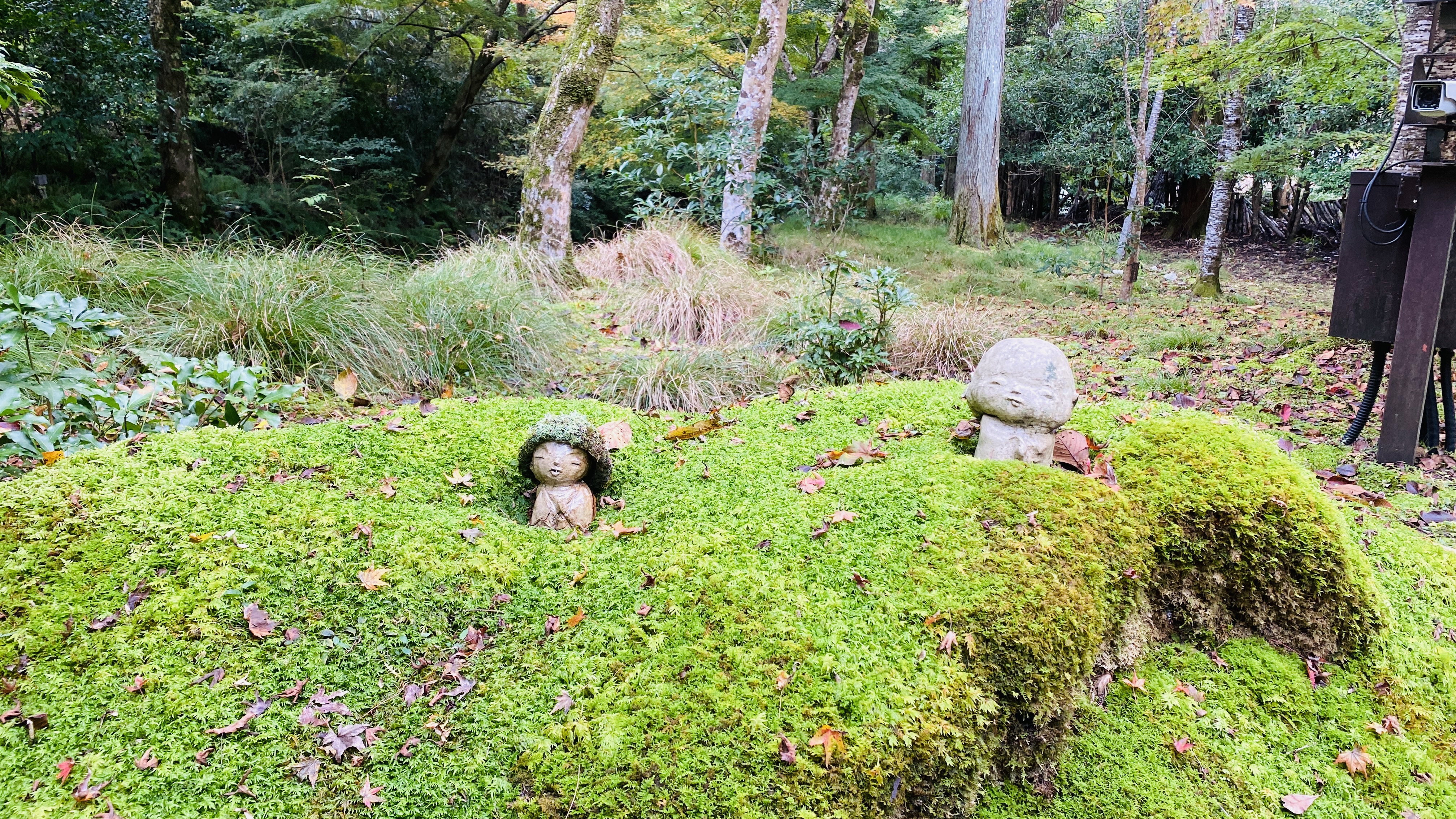
교토의 산젠인에 가면 이끼가 낀 숲과 정원 사이에 작은 돌상들이 흩어져 있는 모습을 볼 수 있습니다. 이들은 ‘와라베 지조’, 즉 어린아이의 모습을 한 지장보살입니다. 웃고 있거나 고개를 기울이고, 서로 기대고 있는 모습은 위엄 있는 불상이라기보다 자연 속에 스며든 존재처럼 느껴집니다. 일본 특유의 애니미즘, 즉 자연에도 영혼이 깃들어 있다는 인식과 맞물리면서 이 돌상들은 마치 숲의 정령처럼 보이기도 합니다. 그래서 보는 사람에게 위압감보다는 편안함과 안정감을 주며, 단순한 종교 조형물이 아니라 감정을 전달하는 존재로 다가옵니다.
오타기 넨부츠지의 나한상 이야기
교토의 오타기 넨부츠지에는 약 1,200개의 독특한 돌상이 자리하고 있습니다. 이들은 ‘나한상’이라고 불리는데, 나한은 수행을 통해 깨달음을 얻은 존재로 영어로는 Arhat이라고 합니다. 이곳의 나한상은 매우 인간적인 표정을 하고 있다는 점이 특징입니다. 술을 마시거나 웃고 떠드는 모습, 악기를 연주하거나 심지어 테니스 라켓을 들고 있는 모습까지 다양하게 표현되어 있습니다. 일반적인 불상의 엄숙한 이미지와 달리, 이 나한상들은 일상의 감정과 행동을 그대로 담고 있습니다. 이는 깨달음이 특별한 세계에만 있는 것이 아니라, 인간의 삶 속에서도 발견될 수 있다는 메시지를 전달합니다. 그래서 이 돌상들은 종교적 상징을 넘어, 인간적인 삶과 감정을 그대로 드러내는 존재로 기억됩니다.
ENGLISH VERSION BELOW
Walking through Kyoto, you often notice small stone statues wearing red bibs or caps along quiet streets. These figures are Jizo, and they are not simple decorations but symbols shaped by everyday belief, protection, and memory.
Jizo in Everyday Japanese Streets
In Japan, Jizo statues are more commonly found along streets, crossroads, and neighborhood edges rather than inside temple buildings. They are seen as guardians who stay close to everyday life, protecting communities, travelers, and especially children. Kyoto, in particular, has a higher visibility of these statues due to its historical and urban structure. The city developed with a grid-like layout, where neighborhood boundaries were clearly defined, and Jizo statues were often placed at these edges. As the former capital for over a thousand years, Kyoto experienced repeated wars, fires, and epidemics. This history strengthened local beliefs centered on protection and peace, especially for children. Traditions like the “Jizo-bon” festival, still celebrated in Kyoto neighborhoods, show how deeply this belief is embedded in daily life.
Red Bibs and the Sai no Kawara Story
The red bibs on Jizo statues are closely tied to beliefs about protection and remembrance. In the past, many children died young due to disease and hardship. Families offered clothing such as bibs to Jizo, asking the deity to recognize and care for their child. This practice connects with the Sai no Kawara story, where children who die before their parents are said to stack stones by a river in the afterlife, only to see them collapse repeatedly. Jizo appears in the story to protect and comfort them. Red, believed to ward off illness and evil, became the natural color for these offerings. As a result, the red bib represents care, grief, and protection rather than decoration.
Warabe Jizo at Sanzen-in Temple
At Sanzen-in Temple, small childlike Jizo statues known as Warabe Jizo are placed among moss-covered gardens. Their gentle expressions and relaxed poses create a calm and comforting atmosphere. Rather than appearing authoritative, they feel like quiet presences within nature, reflecting a Japanese sensitivity that blends spirituality with the natural world.
The Rakan Statues of Otagi Nenbutsuji
Otagi Nenbutsuji features around 1,200 rakan statues, representing enlightened disciples known as arhats. What makes them unique is their individuality—some laugh, drink, play instruments, or even hold tennis rackets. These human-like expressions suggest that enlightenment can exist within everyday life, not separate from it.